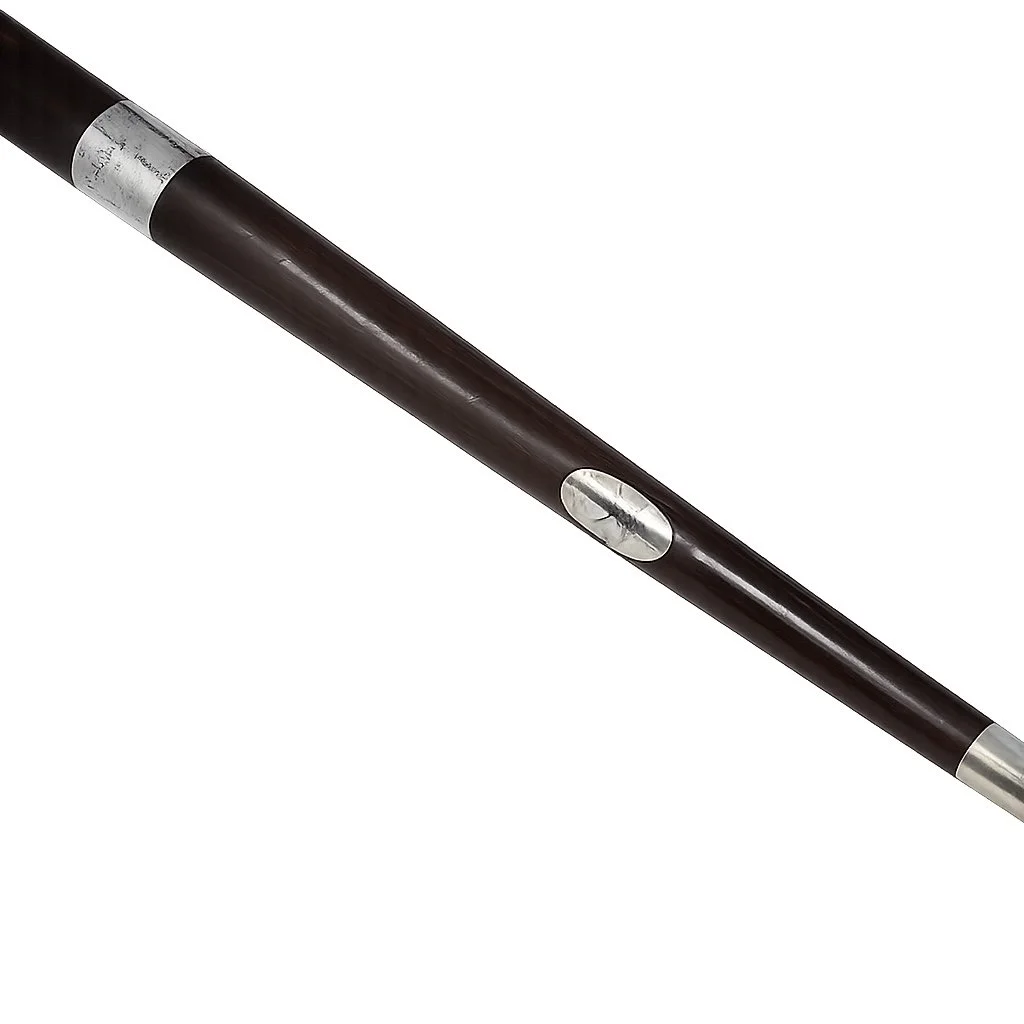
🎣 A quiet day of fishing—with a national story behind it
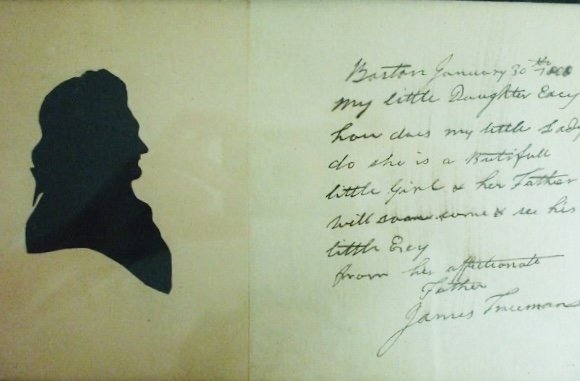
This fishing creel connects Sandwich to one of the most recognizable figures in 19th-century American culture.
🪡Stitched at age 14
This sampler reflects how a young nation taught its children—one alphabet, verse, and family record at a time.
🇺🇸#America250 #SandwichMAHistoricalSociety
🕰️Keeping Time in Early Sandwich
This tall case clock may no longer be running, but it remains a powerful timekeeper of Sandwich’s past.
🇺🇸#America250 #SandwichMAHistoricalSociety
Dorcas Armstrong
A bit of town history preserved in our archives: this old photo depicts Dorcas Armstrong nearly 100 years ago. Dorcas’s family ran the Meadow Spring Farm for over a century. The Farm is now managed by the Sandwich Conservation Trust.
What is this thing?
Today on "what is that thing", we present a quirky historical artifact from our collection.
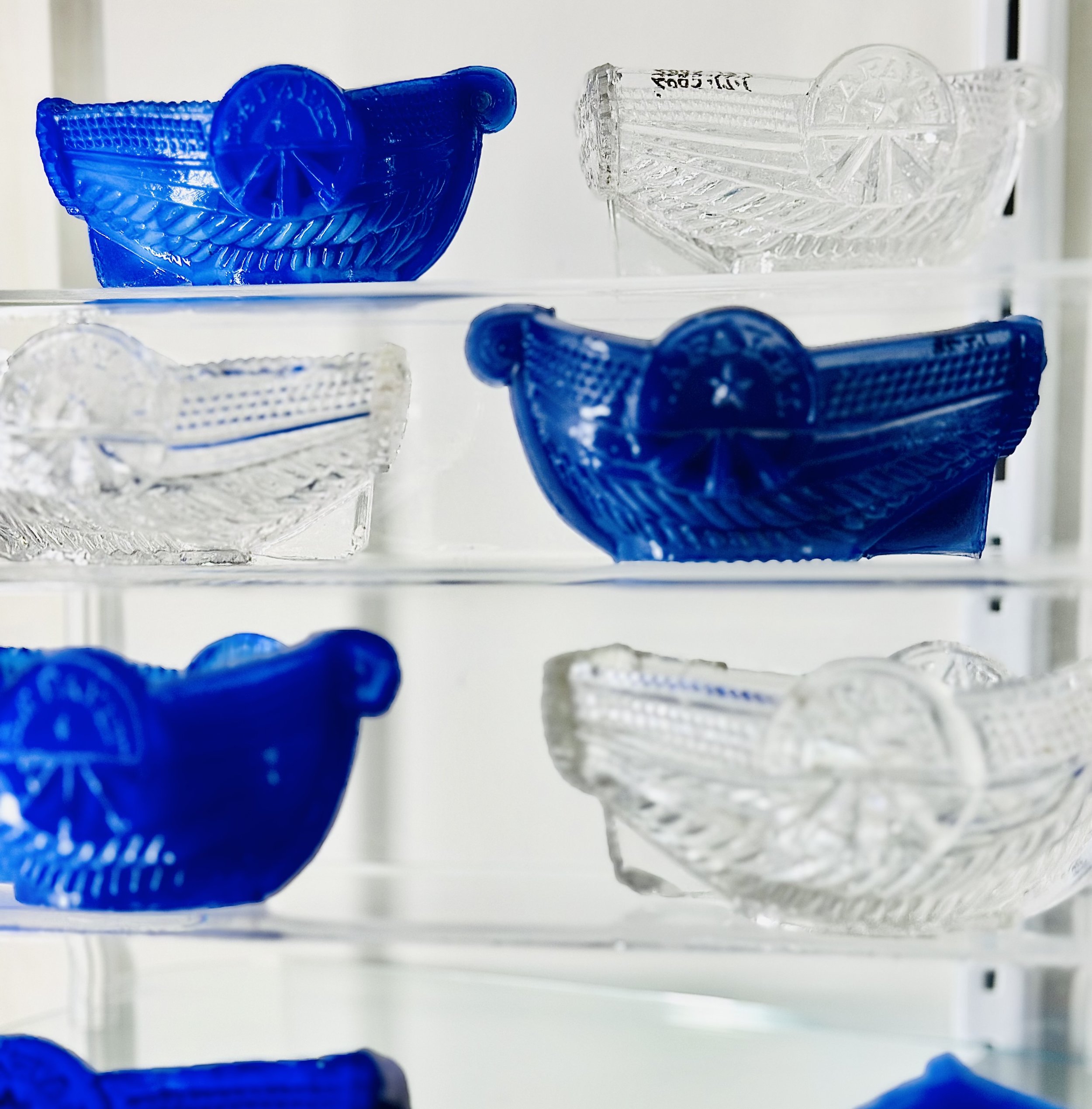
The Hyper-specific Cup Plate
So many cup plates! They seem to have been so popular in the mid 1800s that everyone was coming up with their own custom designs.
Original, or knockoff?
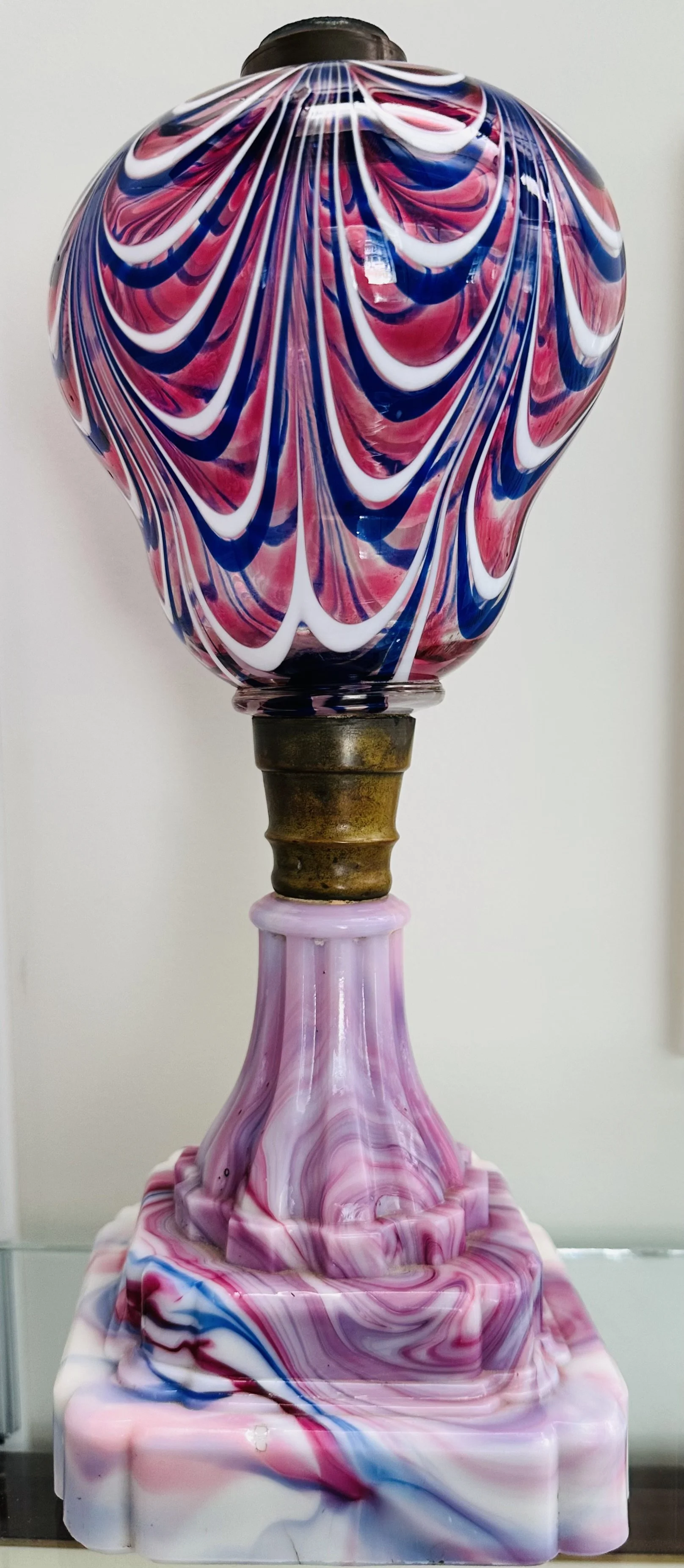
Several American factories produced Peachblow glass, which had a surface that shaded from opaque cream to pink or red, sometimes over opaque white. This glass was made in imitation of the Morgan Vase, a famous 18th-century Chinese peachbloom porcelain vase that sold at auction in 1886 for the astonishing price of $18,000. The sale was widely reported, and glass and pottery manufacturers raced to capitalize on the publicity by producing objects that resembled the famous vase in shape and color.
Children’s Toy
In the mid 1800s it was considered perfectly acceptable to give a child an elaborately designed miniature of a real household item, presumably on the assumption that children where just adults in miniature. And The Boston and Sandwich Glass Company was astute enough to cater to this market. We found out about this when we were asked for help in identifying a child’s toy found in estate sale in northern Vermont. Measuring only 3” high, this diminutive playset is lovingly crafted, and apparently sturdy enough in construction that at least one of them has survived to the present day.
Basket of Flowers
We were contacted recently by someone who was wondering whether her salt cellar was made by the Boston and Sandwich Glass Company. And the answer was: yes! The “Basket of Flowers” salt cellar was a popular item, and when you look closely at the photo you can see why - the level of detail and ornamentation is really quite extraordinary. A cut glass dish with similar fine detail and complexity would take countless hours to make, if it was even possible. No wonder these charming salt dishes were considered “de rigeur” on the dining table of New England Victorian homes.
Charles Washington Lapham
In 1825, at the age of sixteen, Charles Washington Lapham began his lifelong career at the Sandwich glass factory. The factory was built in Sandwich in 1825 by Deming Jarves as the Sandwich Glass Manufactory. Charles was granted the honor of gathering the first piece of glass at the factory’s opening on July 4th, 1825. Charles began as an apprentice at the factory and eventually became a glassblower, working his way to the position of glasshouse overseer (foreman) and assistant to Theodore Kern, the glasshouse superintendent. He remained with the company for over 50 years until he was forced to retire in 1878 due to an eye injury.
On Display in Belgium
We recently received a request from a gentleman in Liège Belgium asking for an image of the old glass factory for the paperweight exhibit he is curating. So next time you're in Belgium, pop into the Diocesan Museum of Liège and look for the paperweight on display there from our own Boston & Sandwich Glass Company, along with the photo of the engraving we sent them, captioned
“Engraving of the Boston and Sandwich Glass Company, courtesy of the Sandwich Glass Museum Archives”
Meet Jane
Volunteer Archivist Jane Martell has been with the Sandwich Glass Museum for over 20 years. Initially recruited to do data entry, she is the architect of our current modern collections digital record system and the author of most of our digital records. Her savvy choice of Past Perfect is what allowed us to roll out an online public search of our holdings last month!