
A Case of Mistaken Identity!
How did Mary Gregory become famous for glass she almost certainly never painted?
For decades, collectors attributed glass decorated with white enamel children chasing butterflies, blowing bubbles, or rolling hoops to Mary Gregory, a decorator at the Boston & Sandwich Glass Company. You’ll still find these charming pieces called “Mary Gregory” glass.
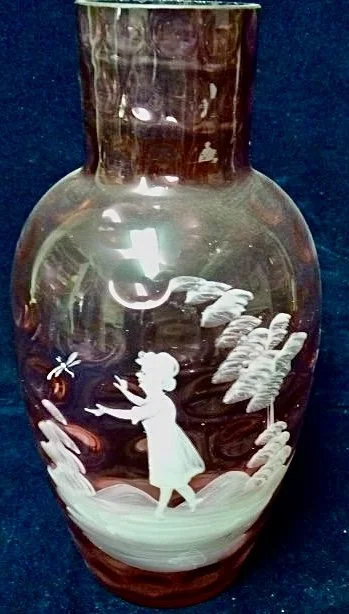
Glass vase with cameo style painting mistakenly attributed to Mary Gregory
Mary Gregory (1856–1908) was a real person, and she really did paint glass in Sandwich during the early 1880s. But the well-known children? There’s no documented evidence that she painted them—or that this style was ever produced at the Sandwich factory. Instead, it was European glassmakers and decorators who originally produced these designs.
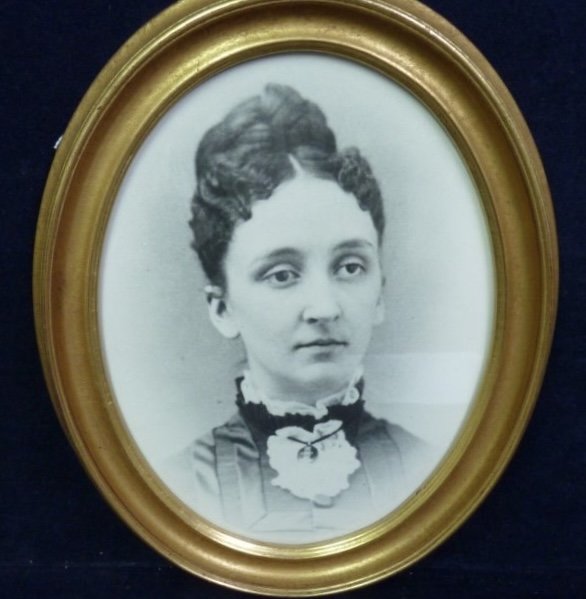
Photograph of Mary Gregory
What did Mary Gregory paint? The diaries she and her sister Emma kept, now preserved in the Museum’s collections, describe painting winter scenes and landscapes with deer, with no mention of the children that made her name famous.
A dish with a painted deer scene in the collection is attributed to Gregory through its family history. Mary Gregory wrote in her diary on Feb 3, 1883 "Began new pattern this afternoon and think I shall like it - a landscape with a couple of deer."
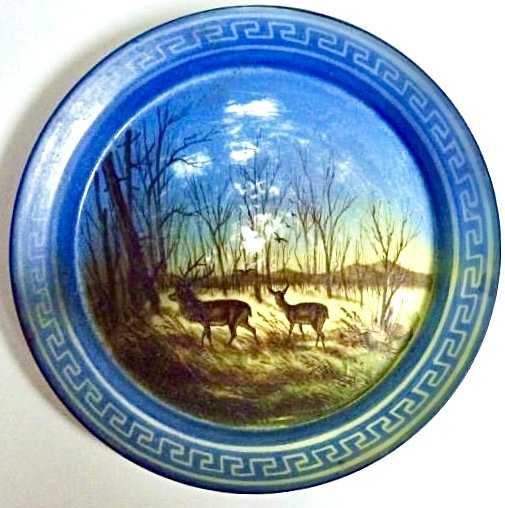
Boston & Sandwich Glass Company plate with painted decoration attributed to Mary Gregory.
How the misattribution happened is unclear, though some glass historians trace the tale to a local antiques dealer in the 1920s. Whatever the reason, the name “Mary Gregory” stuck, even as research challenged the story behind it.
Here’s to giving Mary Gregory more credit for the work she actually did!
